
Smart Ways to Make the Right Choices for Your Landscape Supplies
Choosing the right landscape supplies is crucial for creating a beautiful and sustainable outdoor space. By understanding your landscape needs, researching materials, evaluating costs, and exploring design options, you can make informed decisions that enhance the beauty and functionality of your outdoor space. Let's take a look at a few smart strategies to help you make the most informed decisions for your landscaping needs.
Understanding Your Landscape Needs
Assessing Your Space
Before selecting landscape supplies, it's essential to thoroughly assess the space you're working with. This assessment includes measuring the area, understanding the existing soil conditions, and evaluating the sunlight exposure throughout the day. Knowing these details will aid in choosing the right materials and plants that will thrive in your specific environment. Moreover, considering the topography and the natural features of your property is crucial for effective drainage and erosion control. A well-planned space will ensure the longevity and sustainability of your landscape.
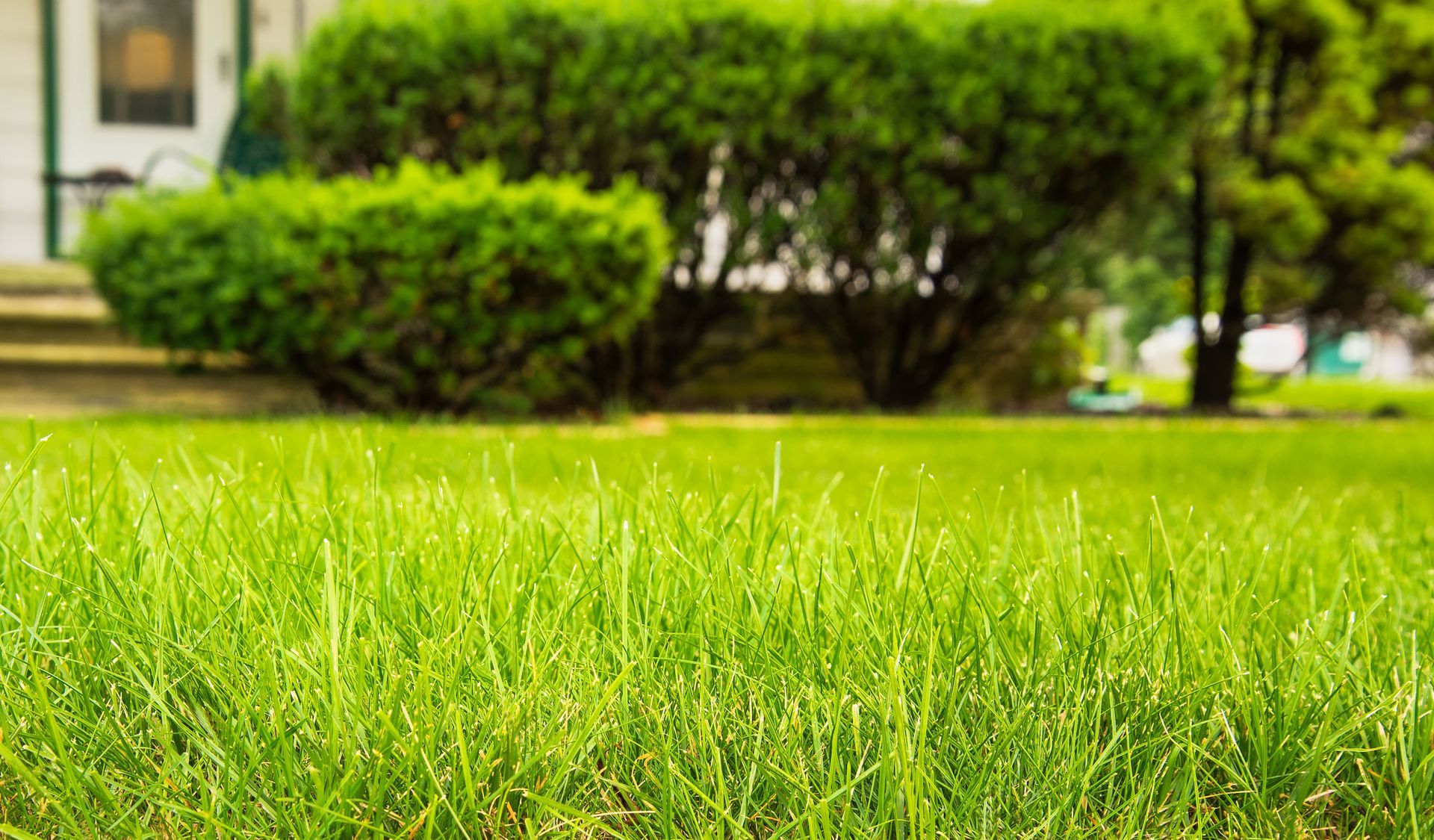
An assessment should also consider the different zones within your landscape, each requiring distinct supplies for optimization. For example, areas designed for relaxation might need soft ground coverings such as grass or mulch, while entertainment areas could require more durable hardscape options like pavers or concrete. The key is to harmonize the functionality with aesthetic appeal, creating balance and flow. Additionally, noting any existing plants or trees worth preserving can help in deciding where new elements fit naturally. Overall, a comprehensive assessment sets a strong foundation for a successful landscaping project.
Defining Your Design Goals
Clearly defining your design goals is an essential step toward picking the right landscape supplies. These goals should reflect both your personal tastes and the practical needs of your outdoor space. Are you looking to create a serene retreat, an entertainment hub, or a simple garden for aesthetic appeal? Clearly outlining these goals will guide your selection of plants, materials, and structures. A well-articulated vision will not only focus your efforts but also inspire innovative design solutions that elevate your garden.
Your design goals should also take into consideration the long-term use and maintenance of the space. For instance, if your goal is to have a low-maintenance garden, selecting drought-tolerant plants and automated irrigation systems becomes essential. Alternatively, for dynamic spaces intended to host social gatherings, including modular furniture and mobile features to accommodate various events can be beneficial. Understanding how you plan to utilize your space over time can prevent unnecessary expenses and ensure sustainable enjoyment. A strategic approach can make the landscaping process rewarding and result in a lasting outdoor haven.
Moreover, incorporating design trends and personal preferences can further refine your landscaping vision. Some homeowners might aspire to capture the rustic charm of a cottage garden, while others opt for the sleek lines of a modern landscape. Mixing current trends, like vertical gardens or eco-friendly installations, with your unique taste can result in a personalized, timeless design. Additionally, reviewing landscape designs in books, magazines, or online can provide inspiration and clarity. Ultimately, expressing your individual style while respecting the property's structural limitations cultivates a harmonious blend of creativity and functionality.
Considering Climate and Environment
Your local climate is a major determinant in selecting appropriate landscape supplies. Different regions have varying weather patterns, which affect plant life, soil composition, and the durability of hardscape materials. For example, areas experiencing extreme temperatures require heat-resistant plants and materials that withstand thermal expansion and contraction. Meanwhile, regions with high rainfall need superior drainage solutions and water-resistant materials. Utilizing climate-appropriate supplies ensures your landscape not only survives the elements but thrives despite them.
Identifying Functional Needs
Beyond beauty, your landscape must meet functional requirements that suit your lifestyle. Prioritize understanding these needs to tailor the landscape supplies and design accordingly. Whether it's safe, family-friendly play areas, dedicated zones for socializing, or utility spaces for gardening, each function demands certain materials and layouts. The goal is to marry form and function, ensuring that aesthetic beauty doesn't compromise usability. Identifying these needs ensures your landscape complements your day-to-day activities while enhancing your quality of life.
Budget Planning
Setting a realistic budget is crucial for any landscape project and can significantly influence the type and quality of supplies you choose. Begin by estimating the costs involved, including materials, labor, and any unforeseen expenses that may arise during the implementation phase. Remember that a high-quality landscape doesn't necessarily require the most expensive materials; rather, it's about finding balance and value. Using a phased approach to development can also help manage costs, allowing you to invest incrementally as budget allows. Strategic budget planning enables you to achieve your landscaping goals without compromising financial stability.
Prioritizing components based on long-term benefits facilitates smarter budgeting. According to Bankrate, effective landscape improvements can increase a home's resale value by 15% to 20%, proving a worthwhile investment. Spending more on durable hardscape elements like patios or retaining walls provides lasting benefits, potentially boosting property value. Additionally, selecting low-maintenance plants and efficient irrigation systems can minimize ongoing costs over time. Evaluating the future returns versus initial expenditures ensures you make financially sound decisions that yield a significant impact on both the landscape and property value.
Researching Landscape Materials
Types of Hardscape Materials
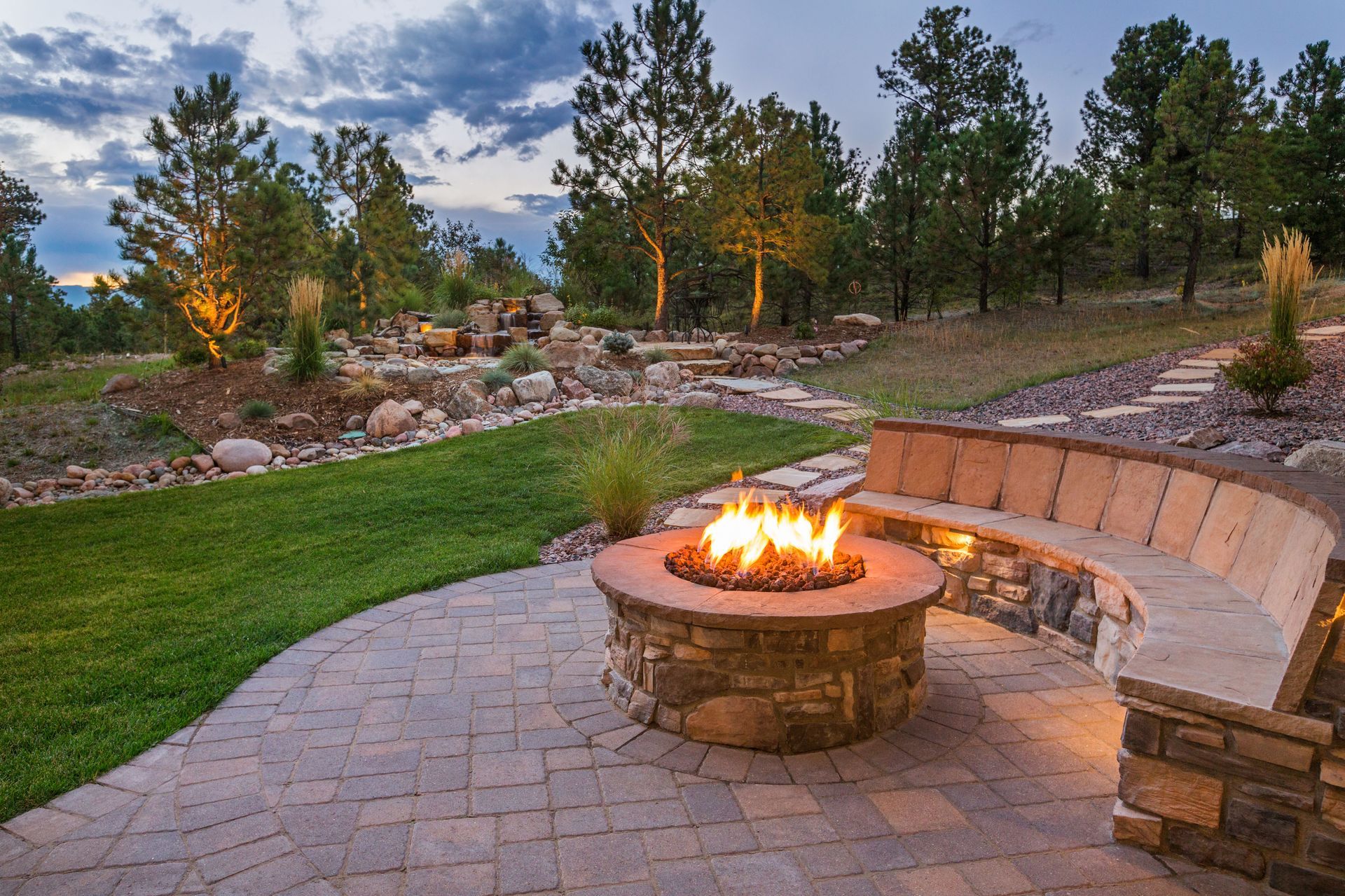
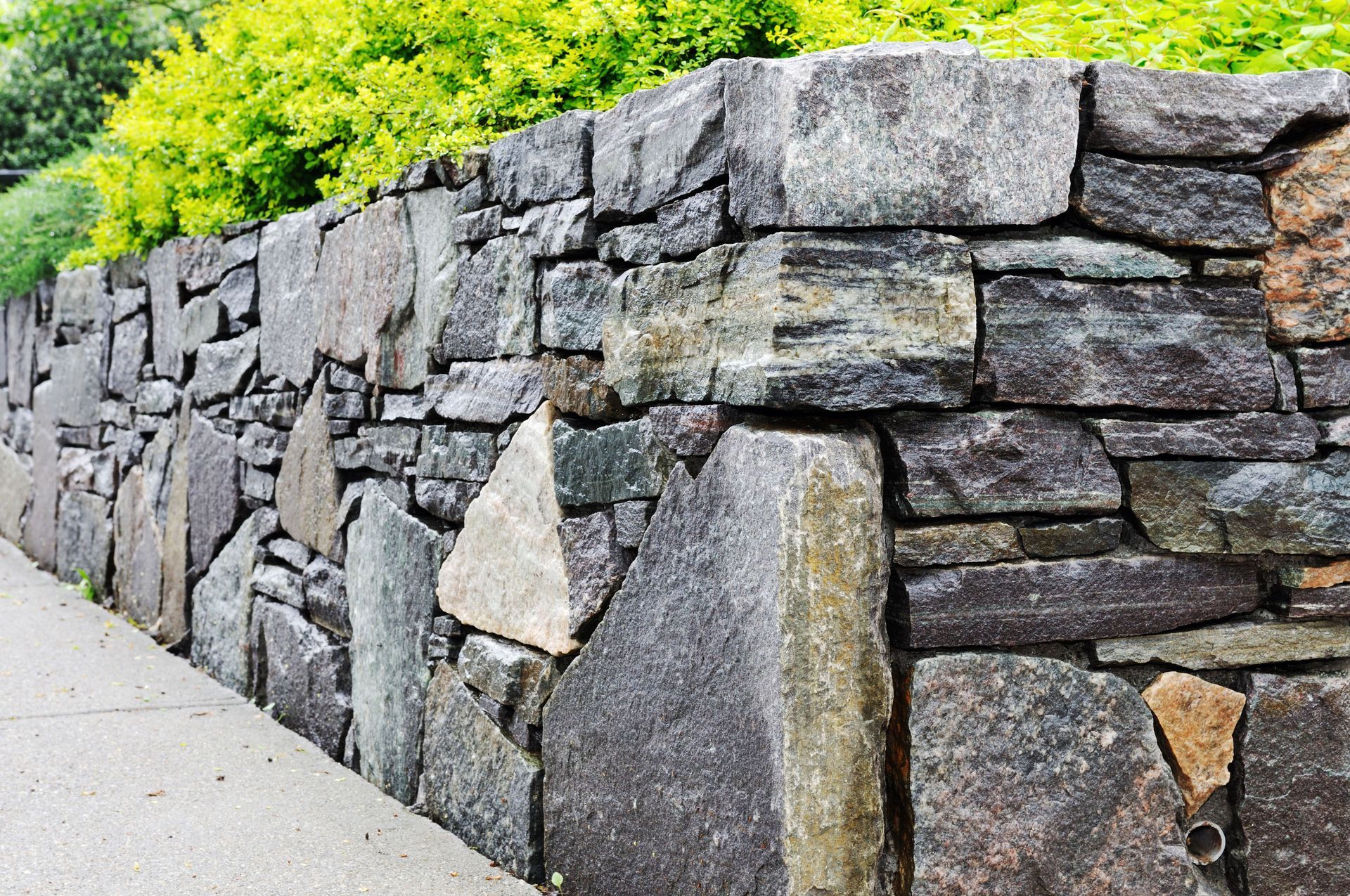
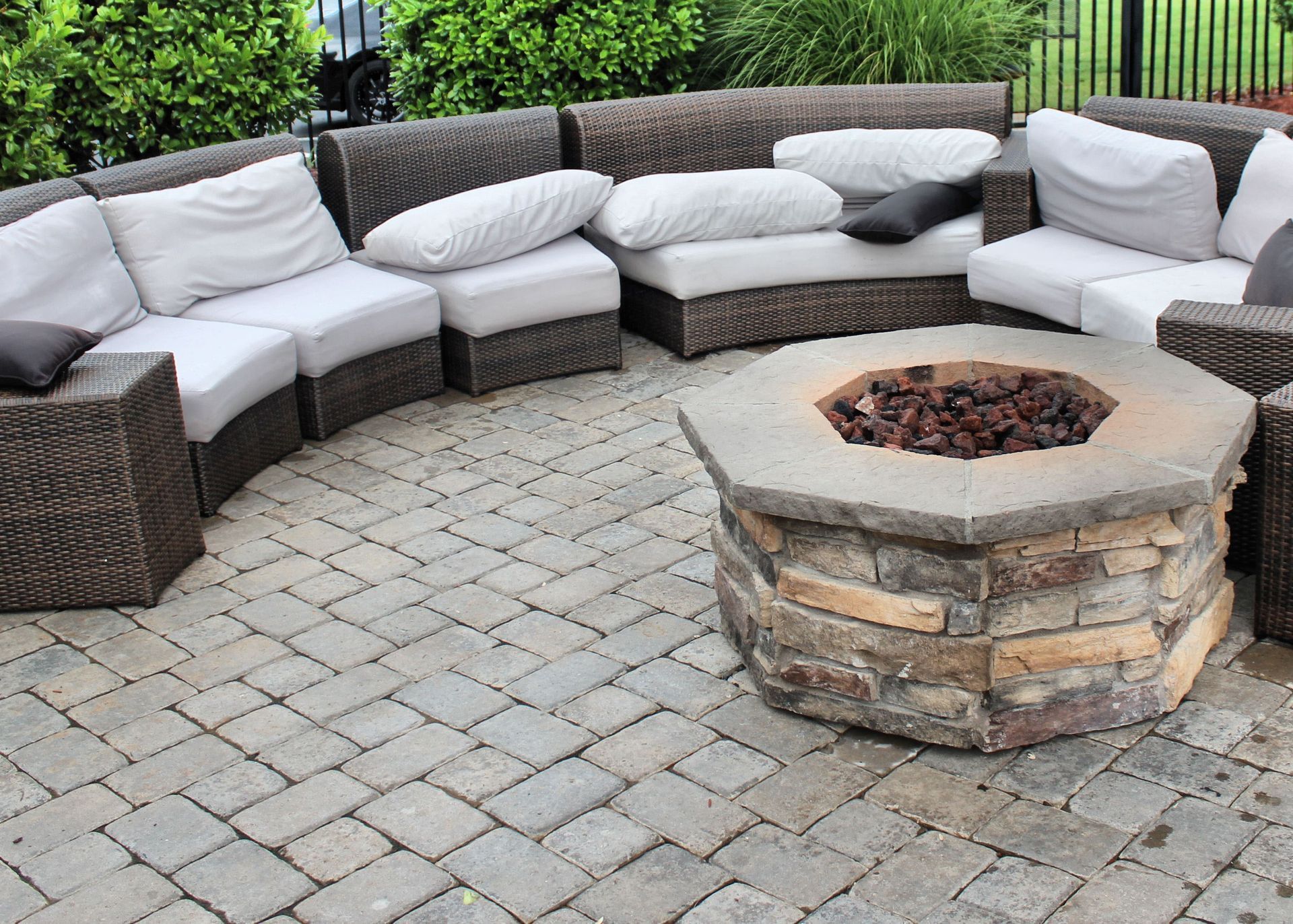
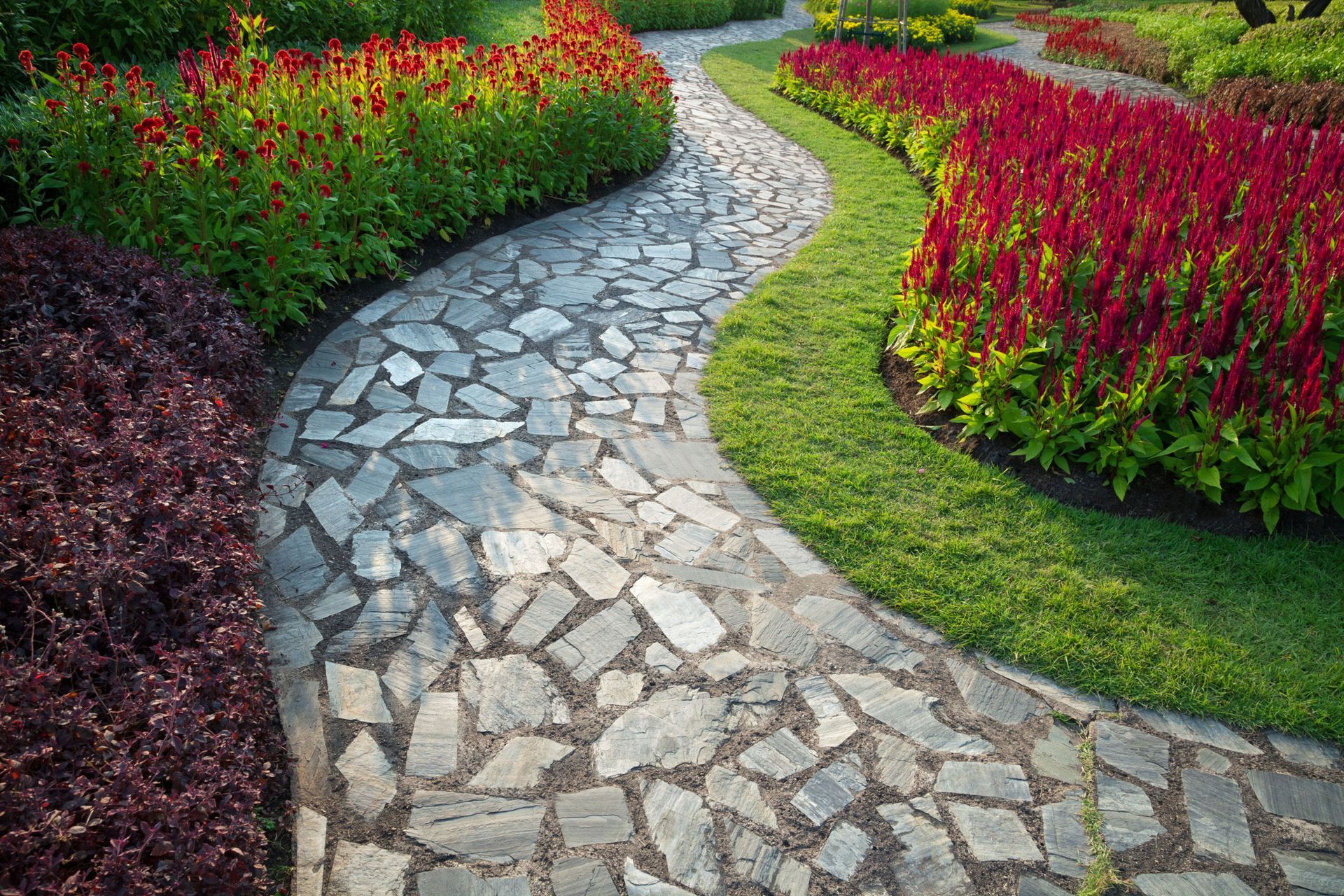
The selection of hardscape materials is a critical factor in the durability and aesthetics of your landscape. Common materials include concrete, natural stone, bricks, and pavers, each offering unique advantages and visual appeal. Concrete is praised for its versatility and strength, suitable for pathways and patios with the ability to be molded into various shapes and textures. Natural stone, while typically more expensive, provides an elegant, timeless look with inherent variations in color and pattern. Bricks, with their warm hues and classic charm, suit both traditional and contemporary styles, particularly effective in patterned layouts like herringbone or basket weave.
Understanding Soil and Mulch Varieties
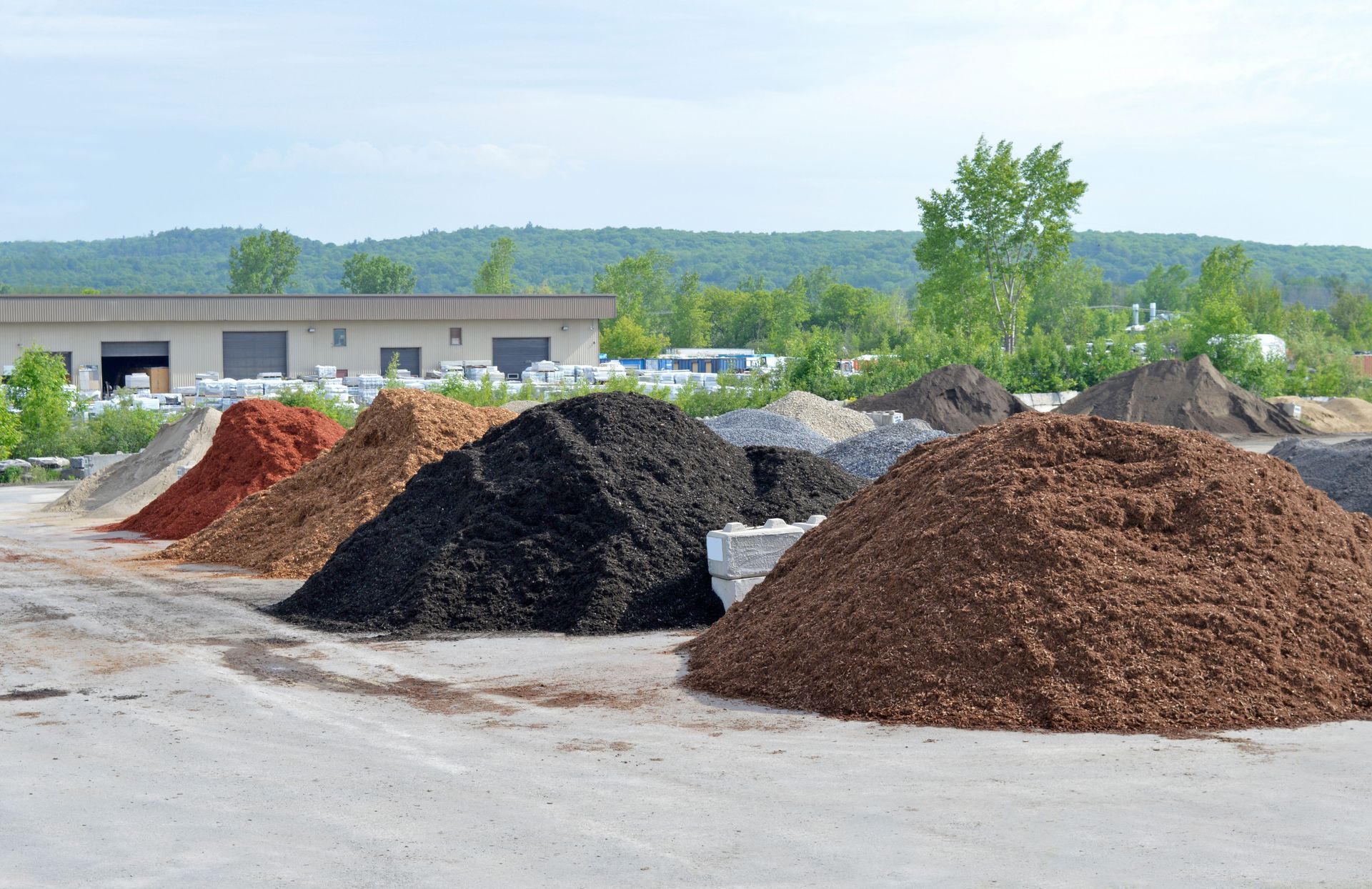
The selection of soil and mulch is pivotal to plant health, impacting water retention, aeration, and nutrient availability. Understanding the composition of your garden's soil can inform the need for amendments like compost, sand, or peat to optimize growing conditions. For instance, sandy soil drains quickly and might require organic matter to improve moisture retention, whereas clay-heavy dirt benefits from materials that enhance drainage. Testing soil pH allows for precise adjustments, ensuring it supports the specific plants you wish to cultivate. Regularly improving soil quality promotes thriving plant life and vibrant blooms.
Comparing Quality and Durability
Quality and durability are key considerations for landscape materials, influencing the longevity, aesthetic, and functionality of your outdoor space. High-quality materials require less frequent replacements and repairs, offering a reliable, long-term investment that reduces maintenance costs. Durability is especially important for hardscape elements exposed to elements like sun, rain, or freezing temperatures, where inferior options might degrade quickly. Materials like natural stone and treated wood tend to withstand environmental challenges better than their counterparts, ensuring a robust, attractive landscape for years to come.
Vendor and Brand Reputation
Vendor and brand reputation play a significant role in selecting landscape supplies, as reputable companies often provide more reliable products and customer support. Well-established vendors are typically more knowledgeable, offering valuable insights into choosing materials that suit your design goals and environmental conditions. Researching vendor reputation via reviews, ratings, and industry reports can guide you toward brands known for quality, innovation, and service. This due diligence reduces the risk of unexpected challenges during implementation and ensures confidence in your material choices.
Designing a successful outdoor space comes down to balancing thoughtful preparation with informed choices. By taking the time to assess your property's unique conditions, establish clear goals, set a realistic budget, and source high-quality materials from reputable suppliers, you lay the groundwork for a seamless landscaping project. To get started with quality landscape supplies, reach out to Michigan Landscape Supply Company today!

Share On: